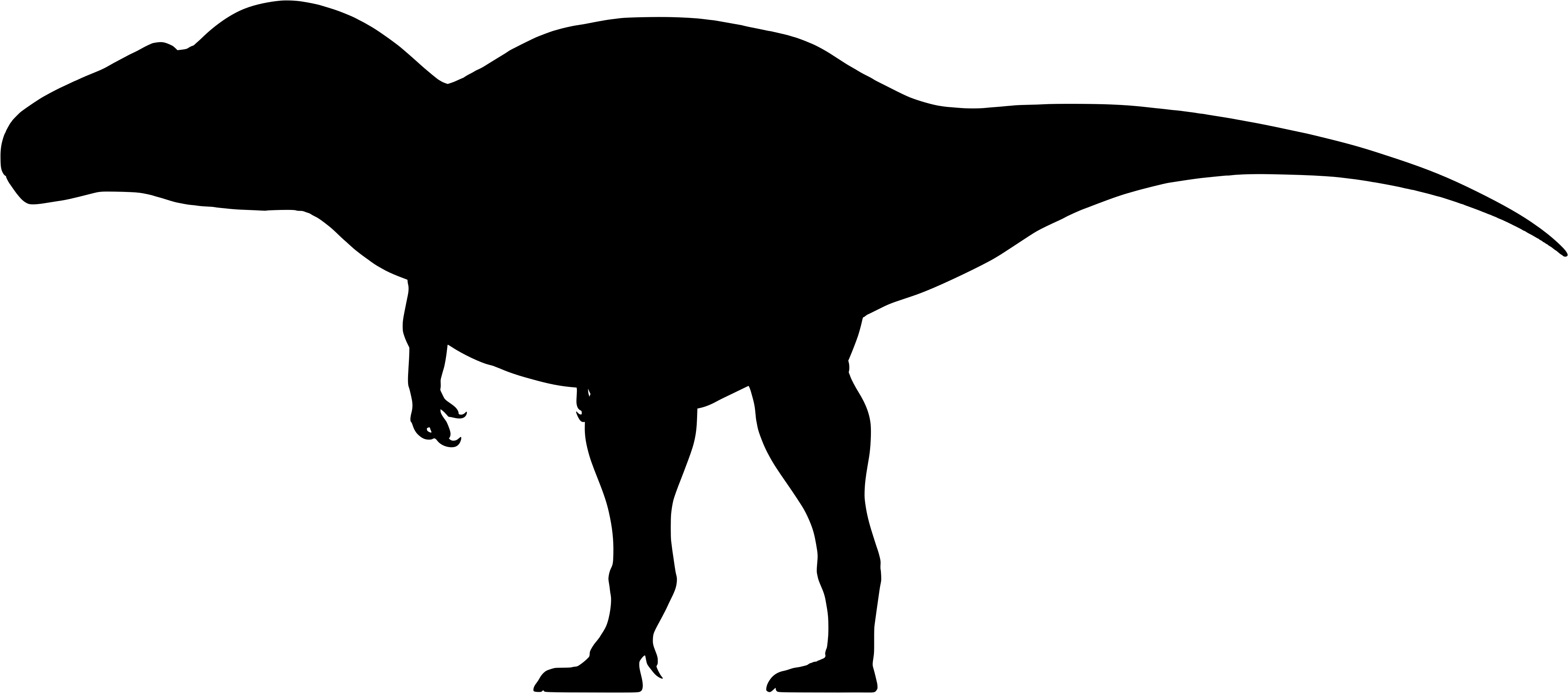
Acrocanthosaurus Acrocanthosaurus atokensis Stovall and Langston 1950
/ˌækroʊˌkænθəˈsɔːrəs/
Early Cretaceous (Cenomanian) · 121.4–93.9 Mya
Key Statistics
Diet
carnivore
Locomotion
bipedal
inferred from clade
Habitat
ground-dwelling
Social
solitary
Where It Was Found
Country
United States
Regions
Oklahoma · Wyoming · Texas · Arkansas
Formations
Antlers · Cloverly · Twin Mountains · Holly Creek
Dig sites
8
distinct collections
Overview
Acrocanthosaurus atokensis is a theropod dinosaur known from the Early Cretaceous, roughly 121.4–93.9 million years ago. It was a carnivore. It is recorded as ground-dwelling and solitary. Fossils have been recovered from Oklahoma, United States. It was named by Stovall and Langston 1950. The species is represented by 9 recorded occurrences in the Paleobiology Database.
Fossil Record Completeness
How much of this profile is grounded in the fossil record
~30%
well attested
Based on 9 recorded occurrences in the Paleobiology Database.
Geologic Time
Where Acrocanthosaurus atokensis sits in deep time
Acrocanthosaurus
252 Mya201 Mya145 Mya66 Mya
Relationships
Part of a wider fossil web
These species share Acrocanthosaurus atokensis's place in deep time — computed from overlapping age ranges, shared clades, and inferred ecology. Predator–prey pairs additionally have to have been dug up in the same place.